

Why These Oils Are Not Ideal for Cooking: What You Should Know
ADVERTISEMENT
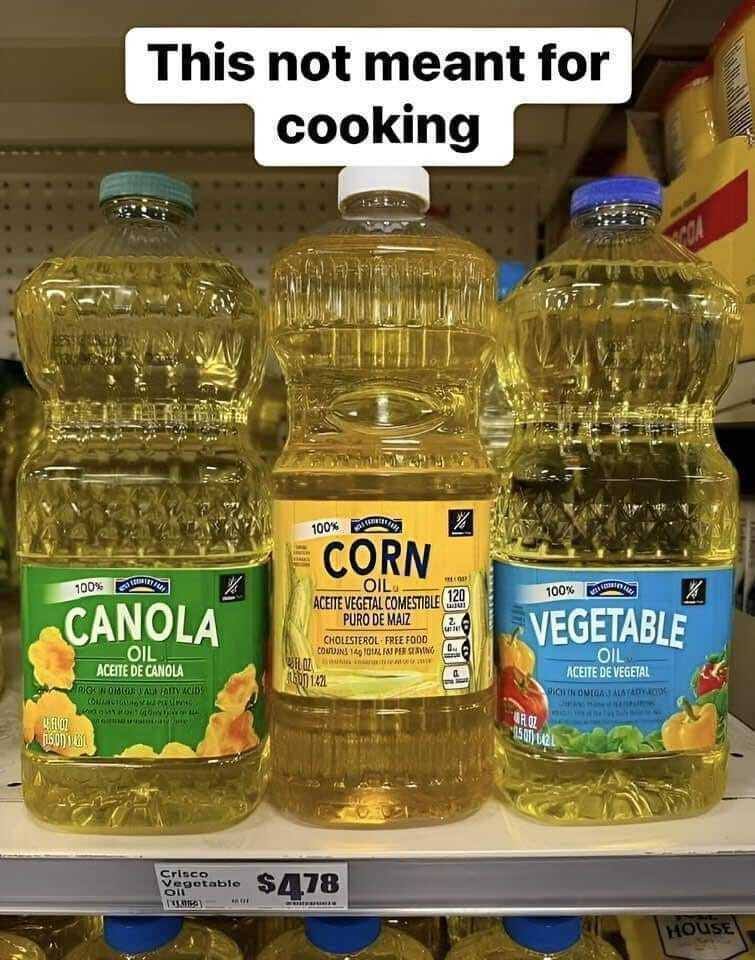
Why These Oils Are Not Ideal for Cooking: What You Should Know
When it comes to cooking, the type of oil you choose can significantly impact the flavor, health benefits, and overall quality of your dishes. While some oils are celebrated for their cooking properties, others can lead to undesirable results. In this article, we’ll explore why certain oils are not ideal for cooking and provide a complete guide on how to choose healthier alternatives. Plus, we’ll share a delicious recipe that highlights the right oils for your culinary adventures!
Ingredients
- 2 tablespoons (30 ml) olive oil
- 1 tablespoon (15 ml) avocado oil
- 1 teaspoon (5 ml) lemon juice
- 2 cups (300 g) mixed salad greens
- 1 cup (150 g) cherry tomatoes, halved
- 1 cucumber, diced
- 1/4 cup (30 g) feta cheese, crumbled
- Salt and pepper to taste
- Optional: 1 tablespoon (15 ml) balsamic vinegar for extra flavor
Step-by-Step Instructions
- Start by washing all your vegetables thoroughly under cold running water.
- In a large salad bowl, combine the mixed salad greens, halved cherry tomatoes, and diced cucumber.
- In a small bowl, whisk together the olive oil, avocado oil, lemon juice, salt, and pepper to create the dressing.
- Pour the dressing over the salad mixture and toss gently until everything is well coated.
- Sprinkle the crumbled feta cheese over the top of the salad.
- If desired, drizzle balsamic vinegar over the salad for added flavor.
- Serve immediately, and enjoy your nutritious salad!
Why Certain Oils Are Not Ideal for Cooking
Some oils might not be the best choice for cooking due to their low smoke points, unhealthy fatty acid compositions, or strong flavors that may overpower your dish. Here are a few oils to reconsider:
- Vegetable Oil: Often a blend of different oils, it can contain unhealthy trans fats and lacks flavor.
- Flaxseed Oil: While rich in omega-3 fatty acids, it has a very low smoke point and should not be heated.
- Walnut Oil: Exquisite in salads but not suitable for cooking due to its low smoke point and potential bitterness when heated.
Choosing oils with higher smoke points and favorable health profiles, such as olive oil or avocado oil, can enhance both the flavor and nutritional value of your meals.
FAQs
1. Can I substitute olive oil with another oil in this recipe?
Yes! You can substitute olive oil with avocado oil or grapeseed oil for a different flavor profile. Just ensure the oil has a high smoke point if you're cooking.
2. How should I store leftover salad?
Store leftover salad in an airtight container in the refrigerator. It's best consumed within a day or two, but the dressing may cause the greens to wilt over time.
3. What are some variations to this salad recipe?
You can add proteins like grilled chicken or chickpeas for a more filling meal. Additionally, try incorporating nuts or seeds for an extra crunch!
4. Is it okay to use flavored oils?
Flavored oils can add an interesting twist to your dishes. Just be mindful of their smoke points and use them as finishing oils rather than for cooking.
5. What is the best oil for frying?
Consider using oils with high smoke points, such as avocado oil, peanut oil, or canola oil, for frying. These oils can withstand the heat without breaking down.
ADVERTISEMENT


ADVERTISEMENT
Comment