

Why don’t public restroom doors reach the floor?
ADVERTISEMENT
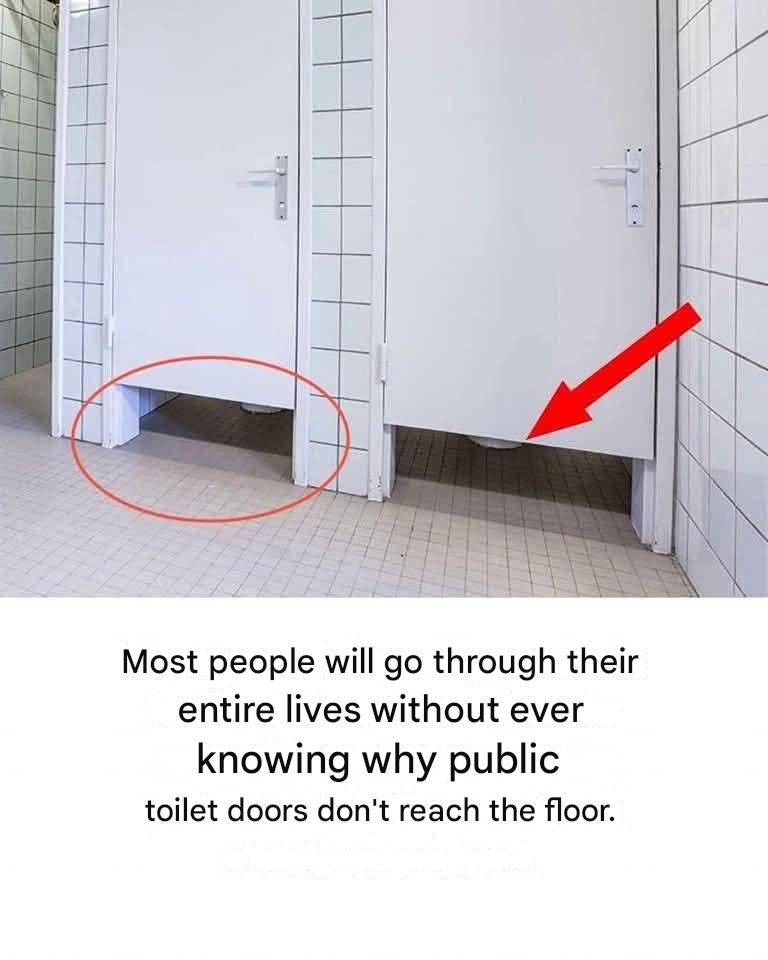
Why Don’t Public Restroom Doors Reach the Floor?
Have you ever wondered why public restroom doors don't quite reach the floor? This curious design choice is not just a matter of aesthetics; it has practical implications that contribute to hygiene, safety, and even cost efficiency. In this article, we'll explore the reasons behind this common architectural feature, along with some fun facts and insights that you may not have considered before. So, let's dive into the fascinating world of public restroom design!
The Design Behind Public Restroom Doors
Public restrooms are designed with a unique balance of privacy, accessibility, and hygiene. The gap at the bottom of the door serves multiple purposes:
- Ventilation: The gap allows for better airflow, reducing odors and ensuring a more pleasant environment.
- Safety: In emergencies, the gap allows for easier access in case someone needs help.
- Cost-Effectiveness: Shorter doors require less material, which can significantly reduce construction costs.
- Maintenance: Gaps help prevent water damage and mold growth, making maintenance easier.
- Accessibility: The design accommodates wheelchairs and other mobility aids, ensuring that everyone has access to the facilities.
Common Questions About Public Restroom Design
1. What are the standard dimensions for public restroom doors?
Typically, public restroom doors stand at about 6 feet 8 inches (203 cm) tall and 3 feet (91 cm) wide. The bottom gap usually measures around 12 inches (30 cm), allowing for ventilation while maintaining a semblance of privacy.
2. Are there laws governing restroom door designs?
Yes, many jurisdictions have building codes that dictate certain aspects of restroom design, including accessibility requirements. The Americans with Disabilities Act (ADA) in the U.S. ensures that public restrooms are accessible to all individuals.
3. How can I ensure privacy in public restrooms?
While the design might seem to compromise privacy, most public restrooms are equipped with stalls that provide a reasonable level of seclusion. If you're particularly concerned, choose a stall located further away from the entrance.
4. Why do some restrooms have full-length doors?
Some high-end or luxury establishments opt for full-length doors for added privacy and aesthetics. However, these are less common in public spaces where accessibility and cost are significant factors.
5. Can I make a suggestion to improve restroom design?
Absolutely! Many facilities welcome feedback on how to improve their services. Consider reaching out to management or leaving a suggestion in a comment box.
Conclusion
Understanding why public restroom doors don't reach the floor sheds light on the careful considerations that go into public facility design. From hygiene and safety to cost and accessibility, these features serve a purpose that benefits everyone. Next time you visit a public restroom, you can appreciate the thought process behind the gap at the bottom of the door!
Share Your Thoughts!
Have you encountered other quirky features in public restrooms? Share your experiences in the comments below!
ADVERTISEMENT


ADVERTISEMENT
Comment