

What is that little hole at the bottom of a padlock for? This clever design feature prevents rust, lets water drain, allows lubrication when locks jam, and reveals how everyday objects often hide smart engineering details that make life safer and easier.
ADVERTISEMENT
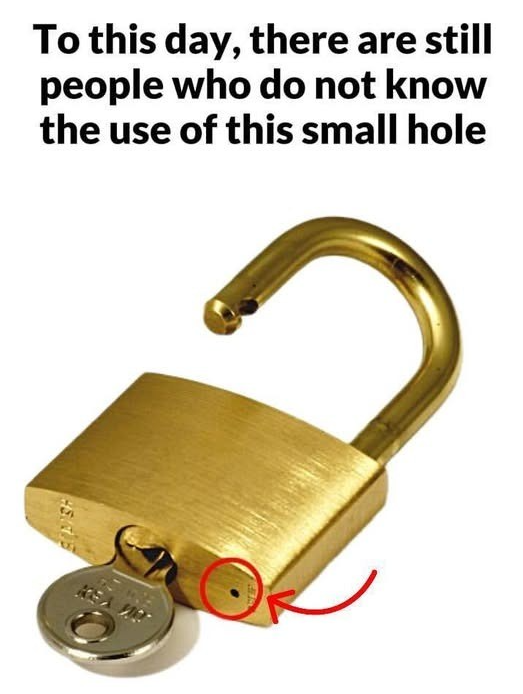
What is That Little Hole at the Bottom of a Padlock For?
Have you ever noticed the little hole at the bottom of a padlock and wondered what it’s for? This seemingly insignificant feature is actually a clever design element that plays a crucial role in the functionality and longevity of padlocks. From preventing rust to facilitating lubrication, this small detail showcases the smart engineering behind everyday objects. In this article, we'll explore the various purposes of this little hole and how it makes our lives safer and easier.
Ingredients
- One padlock (any style)
- Lubricating oil (such as WD-40 or graphite powder)
- Water (to demonstrate drainage)
- Cloth (for cleaning and maintenance)
Step-by-Step Instructions
- Examine the Padlock: Start by holding your padlock and locating the small hole at the bottom. This is your initial point of interest.
- Understand its Purpose: The hole serves multiple purposes: it prevents rust by allowing moisture to escape, facilitates lubrication, and helps drain water.
- Test Water Drainage: To demonstrate the drainage feature, pour a small amount of water into the padlock. Observe how the water escapes through the hole, illustrating how it helps prevent rust.
- Apply Lubrication: Using your lubricating oil, spray a small amount into the hole. This will help keep the internal mechanisms of the padlock functioning smoothly.
- Clean the Padlock: Wipe the exterior with a cloth to remove any excess oil or moisture. Regular cleaning will keep your padlock in prime condition.
- Store Properly: When not in use, store your padlock in a dry place to further prevent rust and ensure longevity.
Frequently Asked Questions (FAQs)
1. Can I use any type of lubricant for my padlock?
While you can use various lubricants, it’s best to stick with a lightweight oil or graphite powder specifically designed for locks. Avoid using heavy oils that can attract dirt and grime.
2. How often should I clean and lubricate my padlock?
It’s recommended to clean and lubricate your padlock at least once every six months, or more frequently if it is exposed to harsh weather conditions.
3. What should I do if my padlock is jammed?
If your padlock is jammed, apply a small amount of lubricant into the hole and gently jiggle the lock mechanism. If it doesn’t work, try tapping the lock lightly with a rubber mallet to loosen it.
4. Are there any alternatives to padlocks?
Yes, there are various alternatives such as combination locks, smart locks, and keyed entry systems. The choice depends on your security needs and convenience.
5. How do I ensure my padlock lasts longer?
To extend the lifespan of your padlock, ensure it is kept clean and lubricated, avoid exposure to moisture, and store it in a secure, dry place when not in use.
ADVERTISEMENT


ADVERTISEMENT
Comment